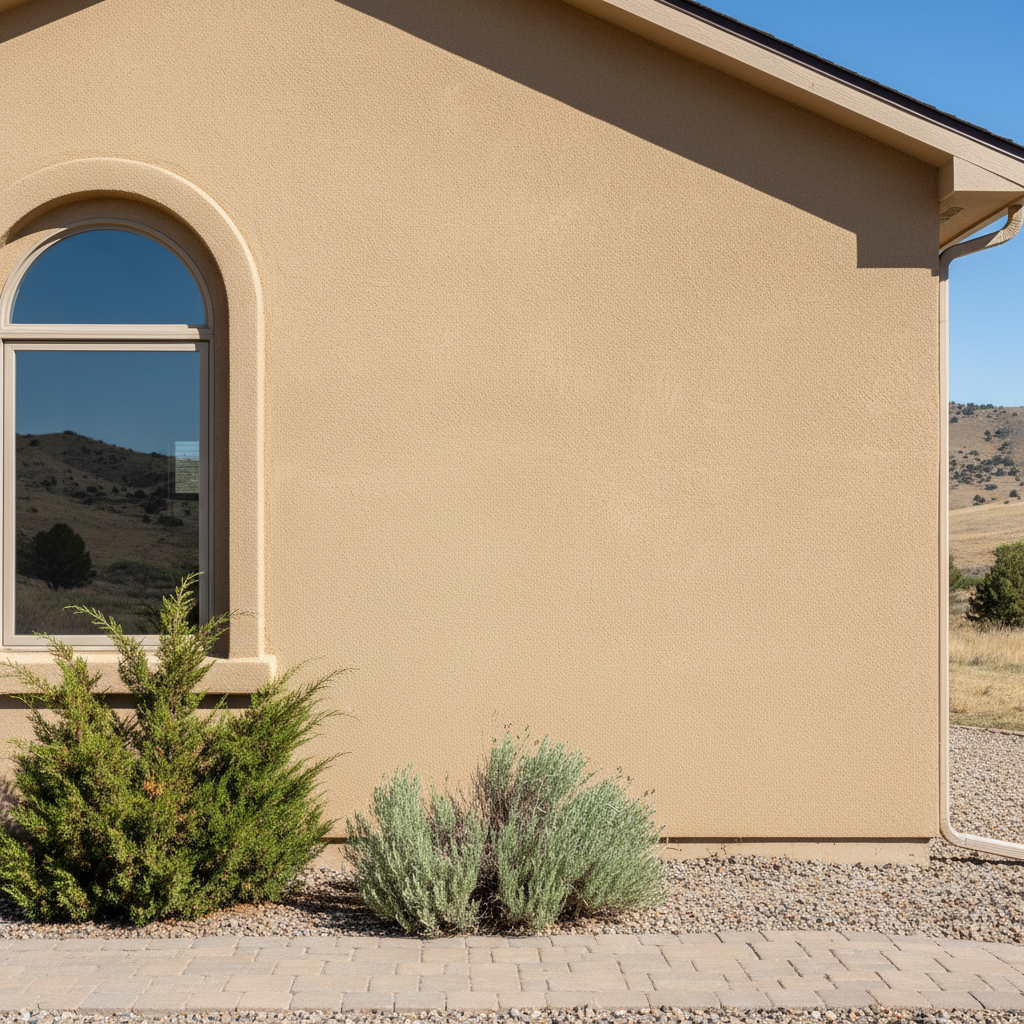
So, your Orem home has painted stucco. Maybe you just had it done, or perhaps it's been a few years. Either way, you want that fresh look to stick around, right? It's more than just looking good; proper paint care protects your stucco and, really, your entire house. Let's chat about how to keep that paint looking sharp for ages, especially with our unique Utah weather.
Making Your Stucco Paint Last Longer
The biggest thing you can do to make your stucco paint last is to start with a good quality job. That means the surface gets prepped right, a solid primer goes on, and you use high-quality elastomeric paint made for stucco. But once it's up there, keeping it nice is really up to you. Think of it like looking after your car; those regular check-ups stop bigger problems from popping up later.
One of the easiest ways to extend its life? Just keep it clean. Dust, dirt, and even pollen can build up, and over time, they can actually wear down the paint surface. We get plenty of dust here, especially during those dry summer months or when construction kicks up around places like Vineyard or Saratoga Springs. A gentle wash once a year can really make a difference. Just grab a garden hose with a spray nozzle – nothing too high-pressure, which could damage the paint or push water into cracks. For tougher spots, a soft brush and a mild detergent (like dish soap mixed with water) usually do the trick. Remember to rinse thoroughly, from top to bottom.
Another big one is managing water. Our freeze-thaw cycles in Orem are no joke. If water sneaks behind the paint and then freezes, it expands, pushing the paint right off the stucco. So, make sure your gutters are clean and sending water away from your walls. Check your sprinkler heads too; you definitely don't want them constantly spraying your stucco, especially near the foundation.
Regular Maintenance: What Should You Look For?
You don't need to be a stucco expert to do a quick check-up. Just walk around your house a couple of times a year – maybe in the spring after the snow melts and again in the fall before winter really sets in. Here's what I tell folks to keep an eye out for:
- Cracks: Even tiny hairline cracks can let water in. If your paint is flexible, it might bridge small cracks in the stucco itself, which is great. But if you spot cracks in the paint film, pay attention.
- Peeling or Blistering: This is a pretty clear sign of trouble, often because moisture is getting behind the paint. It could be from a leak, poor adhesion, or just trapped moisture.
- Fading or Chalking: Our intense Utah sun can be brutal, can't it? Over time, UV rays break down the paint pigments. Fading is normal eventually, but excessive chalking (where a powdery residue comes off when you rub it) means the paint is wearing out faster than it should.
- Stains: Dark streaks, green patches, or rust stains all point to issues. Dark streaks usually mean water isn't draining right, green patches are often mold or mildew from constant dampness, and rust stains mean some metal part is corroding.
- Efflorescence: This is that white, powdery stuff that sometimes shows up on masonry. Water dissolves salts inside the stucco, then evaporates, leaving the salts behind. Basically, it means water is getting into your stucco.
Don't just ignore these things. A small problem caught early is usually an easy fix. Let it go, and you're looking at a much bigger, more expensive repair down the line.
When to Call a Professional
You can handle the cleaning and maybe even patch a tiny, superficial crack if you know what you're doing. But there are definitely times when you need to pick up the phone and call in someone like us at Progressive Stucco Co.
- Extensive Cracking: If you see wide cracks, spiderwebbing over big areas, or cracks that seem to go deep into the stucco, that's a structural concern, not just a paint one.
- Widespread Peeling or Blistering: A small blister might be a one-off, but if large sections of paint are failing, you've got a systemic moisture problem that needs investigating.
- Water Intrusion Signs: Any signs of water inside your home connected to an exterior wall – like dampness, mold growth, or water stains on interior walls or ceilings – are an immediate red flag.
- Recurring Problems: If you've patched a spot, and the same problem keeps coming back, it means you're treating the symptom, not the actual cause.
- Before Repainting: If it's time for a full repaint, get a pro to inspect the stucco first. They can find and fix any underlying issues before the new paint goes on, making sure it sticks properly and lasts. You really don't want to put expensive new paint over damaged stucco.
Your stucco is a tough, durable exterior, but it needs a little love to perform its best. Regular maintenance and knowing when to call for help will keep your Orem home looking great and protected for many years.