Got questions about stucco installation here in Orem? You're not alone. I've been doing this for a long time, and homeowners always have similar concerns, which is smart. You're making a big investment in your home, so you should know what you're getting into. I've put together some of the most common questions I hear and my straightforward answers. No fluff, just what you need to know.
What's the difference between traditional stucco and EIFS? Which is better for Orem?
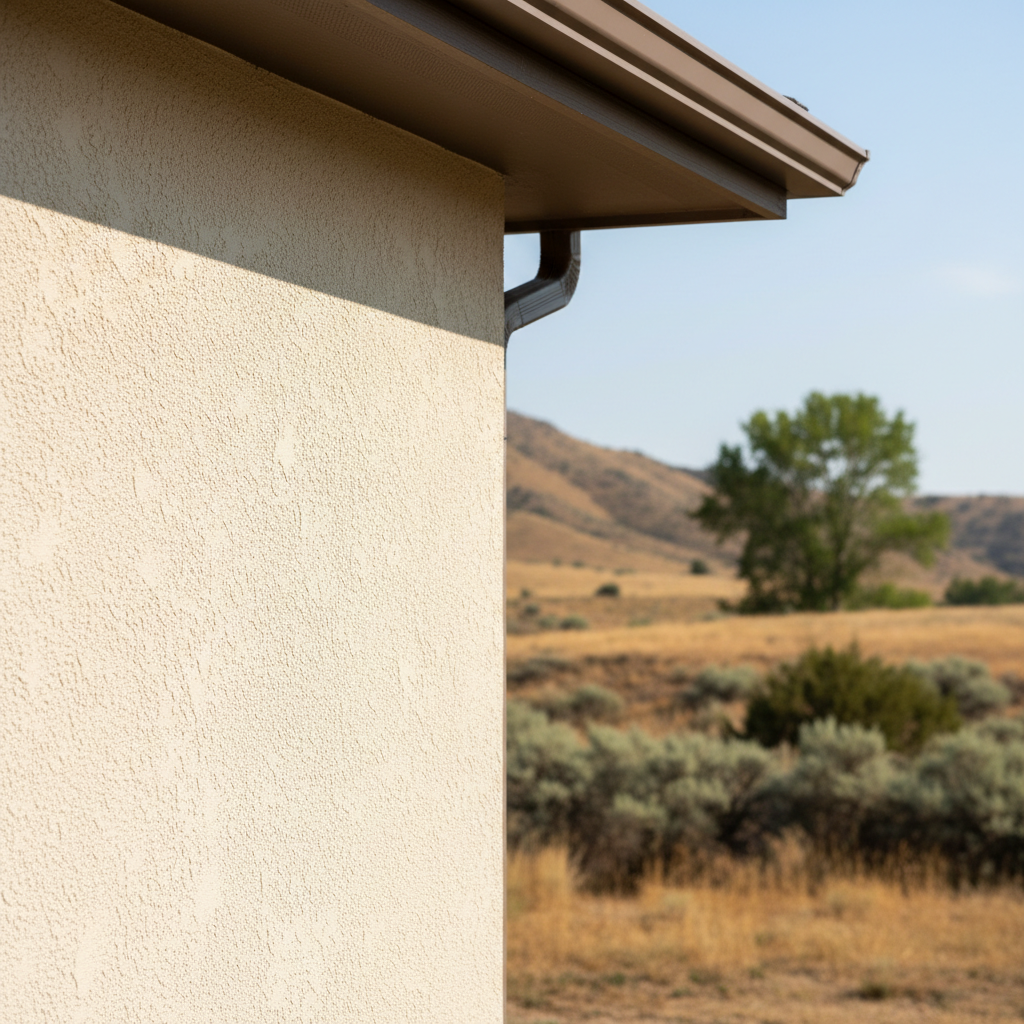
This is probably the question I hear most often. Traditional stucco, sometimes called hard coat stucco, is a product made with cement. We mix sand, cement, lime, and water, then put it on in layers over a lath system—usually wire mesh—that's attached to your wall. It breathes, it's very durable, and people have been using it for centuries. It gives you a rigid, strong finish.
EIFS, which stands for Exterior Insulation and Finish System, is a completely different beast. It's a multi-layered system that starts with an insulation board, typically expanded polystyrene (EPS) foam, fixed to your wall. Over that, we apply a base coat with a fiberglass mesh embedded in it for strength, and then a finish coat that looks just like traditional stucco. The big difference? EIFS is an insulating system. It's flexible, so it's less likely to crack from small structural shifts or temperature changes. Here in Orem, with our hot summers and cold winters, EIFS can give you better insulation and energy efficiency. That's a huge deal for your utility bills, isn't it? Both are good products, but they do different things and need different installation methods. Traditional stucco is tough and classic; EIFS focuses on insulation and flexibility.
How long does stucco installation take, realistically?
That's a tough one to give a single answer for because it depends on a bunch of factors. Is it a small repair, a full re-stucco, or a new build? How big is your house? How complex is the architecture—lots of corners, windows, or fancy details? Generally, for an average-sized Orem home, say 2,000-3,000 square feet, a full re-stucco job can take anywhere from two to four weeks, start to finish. That includes all the prep work, setting up scaffolding, putting up the lath, applying multiple coats, and then letting it cure. Weather plays a huge role too. We can't apply stucco in freezing temperatures or heavy rain, so our unpredictable spring and fall weather here in Utah County can definitely add days to the schedule. We'll always give you a more precise timeline after we've seen your specific project, of course.
Does stucco crack? Is that normal?
Yes, stucco can crack, and in many cases, minor hairline cracks are pretty normal. Remember, traditional stucco is a rigid, cement-based material. It expands and contracts with temperature changes, and houses settle over time. These movements can cause small stress cracks. Think about concrete sidewalks—they crack too. The key is distinguishing between normal hairline cracks and more serious structural cracks. Hairline cracks that are barely visible are usually just cosmetic. Larger cracks, especially those that are wide, run in a zig-zag pattern, or appear around openings like windows and doors, could point to a bigger issue, like structural movement or water getting in. That's when you need to call someone like us at Progressive Stucco Co to come take a look. We'll assess if it's just a touch-up or if there's something more going on that needs fixing.
Can stucco be installed over existing siding?
Short answer: sometimes, but usually it's not the best idea. You might see some contractors offer to stucco directly over old wood siding or T1-11, but I'd be wary. For stucco to stick properly and last a long time, you need a solid, clean, and correctly prepared surface underneath. That means a weather-resistant barrier, proper lath, and solid sheathing. Trying to stucco over existing siding can lead to moisture getting trapped, poor adhesion, and ultimately, a much shorter lifespan for your new stucco. It's usually worth the extra effort and cost to remove the old siding, check the sheathing, make any needed repairs, and then install the stucco system correctly from the ground up. You'll thank yourself in the long run.
What kind of maintenance does stucco require?
Stucco is actually pretty low maintenance, which is one of its big appeals. It's not like wood that needs regular painting or staining. The main things you'll need to do are: First, keep it clean. A gentle power wash (low pressure!) every few years can remove dirt, dust, and any mildew that might accumulate, especially on north-facing walls that don't get much sun. Second, keep an eye on your gutters and downspouts. Make sure they're clear and directing water away from your stucco walls. Constant water exposure in one spot is a recipe for trouble. Third, inspect for cracks or damage. If you see any new cracks or areas that look like they've been hit, get them repaired promptly. Small issues are much easier and cheaper to fix than big ones. And finally, make sure your landscaping isn't growing directly against the stucco. You want good airflow and to prevent moisture from getting trapped. That's about it. Pretty simple for such a durable finish.
How does Orem's climate affect stucco?
Our climate here in Orem is a bit of a mixed bag for building materials, and stucco is no exception. We get hot, dry summers and cold, snowy winters, plus that freeze-thaw cycle in the spring and fall. The good news is that stucco is built to handle this. Traditional stucco is very durable against direct sun and doesn't degrade from UV like some other materials. For the cold, the key is proper installation, especially with the base coats and ensuring good drainage. Our heavy clay soils in some parts of Orem, like down near the lake, can also cause some foundation movement over time, which is where the flexibility of EIFS can be a benefit, or where proper control joints in traditional stucco become even more critical. The biggest thing we watch out for is moisture. With snow piling up against foundations or poorly directed sprinklers, water can find its way in if the stucco wasn't installed correctly with proper flashing and weep screeds. But with a professional job, stucco holds up really well to everything our beautiful Utah Valley weather throws at it.