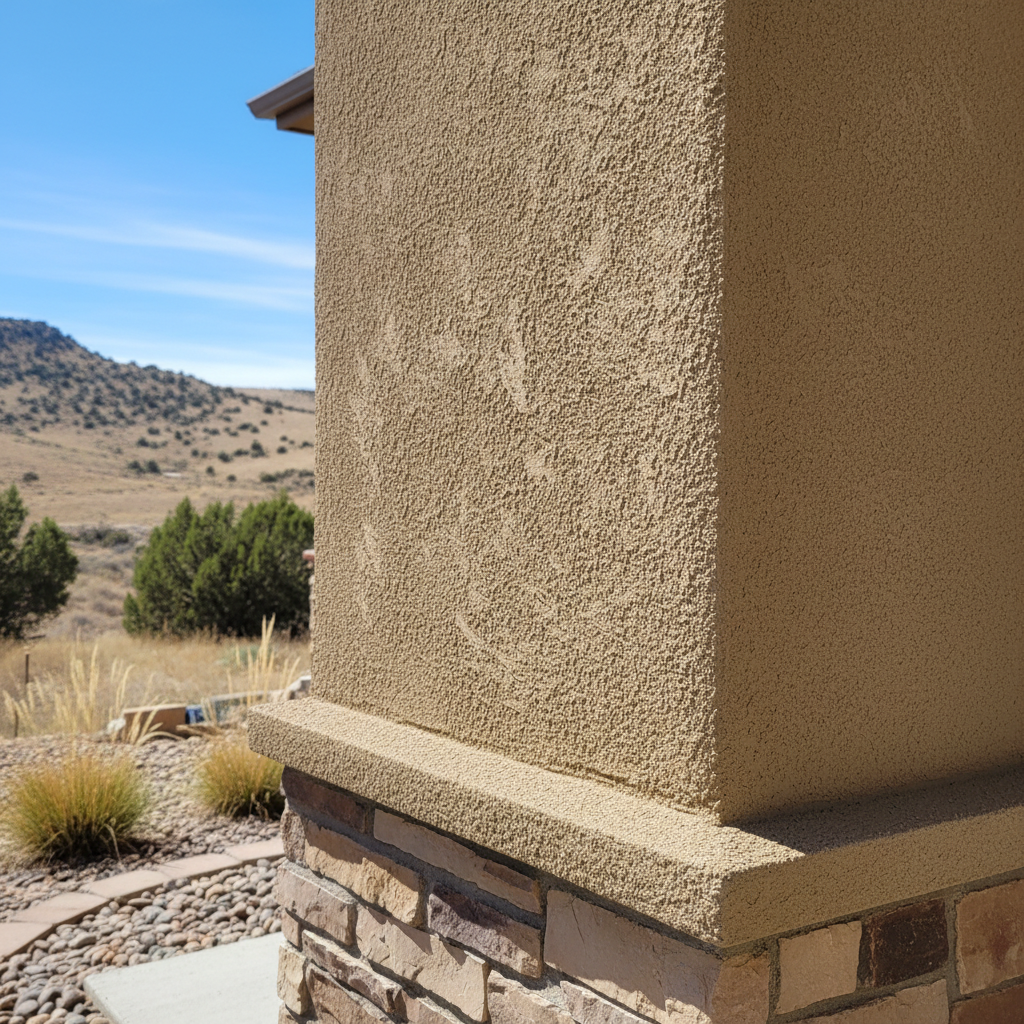
What exactly is stucco redashing? Is it just a fancy word for repair?
No, it's not just a fancy word for repair, though repairs are often part of the process. Think of redashing as giving your stucco a fresh, new skin. When we talk about stucco, we're usually talking about a three-coat system: a scratch coat, a brown coat, and then the finish coat, which is what you see. Redashing is when we apply a new finish coat over your existing, sound stucco. It's like a facelift for your home's exterior, really.
You might be looking at redashing because your stucco looks tired, faded, or has a lot of minor surface cracks. Maybe you want to change the color or texture without tearing everything off. It's a way to revitalize your home's look and add a protective layer without the full expense and disruption of a complete stucco replacement. We're not usually fixing structural issues with a redash; instead, we're updating the aesthetic and adding a new layer of protection.
How do I know if my stucco needs redashing versus a full replacement?
That's a great question, and it's one I get all the time. The main difference comes down to the condition of the underlying stucco layers and your home's substrate. If your stucco has widespread, deep cracks that go through all the layers, or if it's delaminating (peeling away) from the wall, or if you have significant moisture problems and rot underneath, then you're probably looking at a full replacement. A redash won't fix those kinds of issues.
However, if your stucco is generally sound — meaning the scratch and brown coats are still firmly attached and in good shape — but the finish coat just looks old, faded, or has a lot of hairline cracks, then redashing is likely a good option. We're talking about surface-level issues here. I always tell folks, if you're seeing a lot of efflorescence (those white powdery salt deposits) or feel soft spots when you press on the stucco, we need to investigate further. That's usually a sign of bigger problems that a simple redash won't solve.
What's the process for redashing? What should I expect?
Alright, so you've decided redashing is the way to go. Here's a general rundown of what we do. First, we've got to get the existing stucco ready. That means a thorough cleaning, usually with a power washer, to get rid of dirt, grime, and any loose paint or material. Then, we'll address any minor repairs. We're talking about patching small cracks or holes to make sure we have a solid, even surface to work with. If there are any bigger repairs, we'd do those first.
Once it's clean and repaired, we'll apply a bonding agent. This is super important because it helps the new finish coat stick to the old one. After that, we apply the new finish coat. This is where the magic happens – you pick your color, your texture, and we put it on. It's usually a single layer, but we apply it carefully and consistently. Depending on the weather here in Orem, like those hot summer days or cooler spring mornings, we might need to adjust drying times. Once it's on, it cures, and you've got a beautiful, fresh exterior. We'll also make sure to protect your landscaping, windows, and doors throughout the whole process.
How long does a redashing project typically take?
The timeline really depends on the size of your home and the complexity of the job. For an average-sized home in, say, the Canyon View area with fairly straightforward stucco, you're usually looking at anywhere from a few days to a week. That includes prep work, application, and drying time. Larger homes, or those with a lot of architectural details, can take longer, maybe up to two weeks.
Weather plays a big role too. We can't apply stucco in freezing temperatures, and really hot, dry, windy days can affect how it cures. We always keep an eye on the forecast. We'll give you a more precise estimate once we've had a chance to look at your specific property. Communication is key, so we'll keep you updated every step of the way.
What kind of textures and colors are available for redashing?
Oh, this is where you get to have some fun and really personalize your home! With redashing, you're essentially getting a brand-new finish coat, so you have a ton of options. For textures, the most common ones we do around here are:
- Dash finish: This is a rougher, more traditional look, often applied by flicking the material onto the wall.
- Sand finish: A very popular choice, it's got a fine, grainy texture, like sandpaper.
- Smooth finish: As the name suggests, it's a very smooth, contemporary look, though it can show imperfections more easily.
- Worm finish (or skip trowel): This creates a unique, swirled pattern.
As for colors, the sky's pretty much the limit. Manufacturers like Omega and LaHabra offer huge palettes. You can go with classic earth tones that blend into the Utah landscape, or something bolder if that's your style. We can even do custom color matching if you have something very specific in mind. I always recommend getting some samples applied to a small, inconspicuous area of your home so you can see how the color looks in different light throughout the day before making your final decision.
How much does stucco redashing cost in Orem, UT?
Alright, let's talk numbers. This is one of those