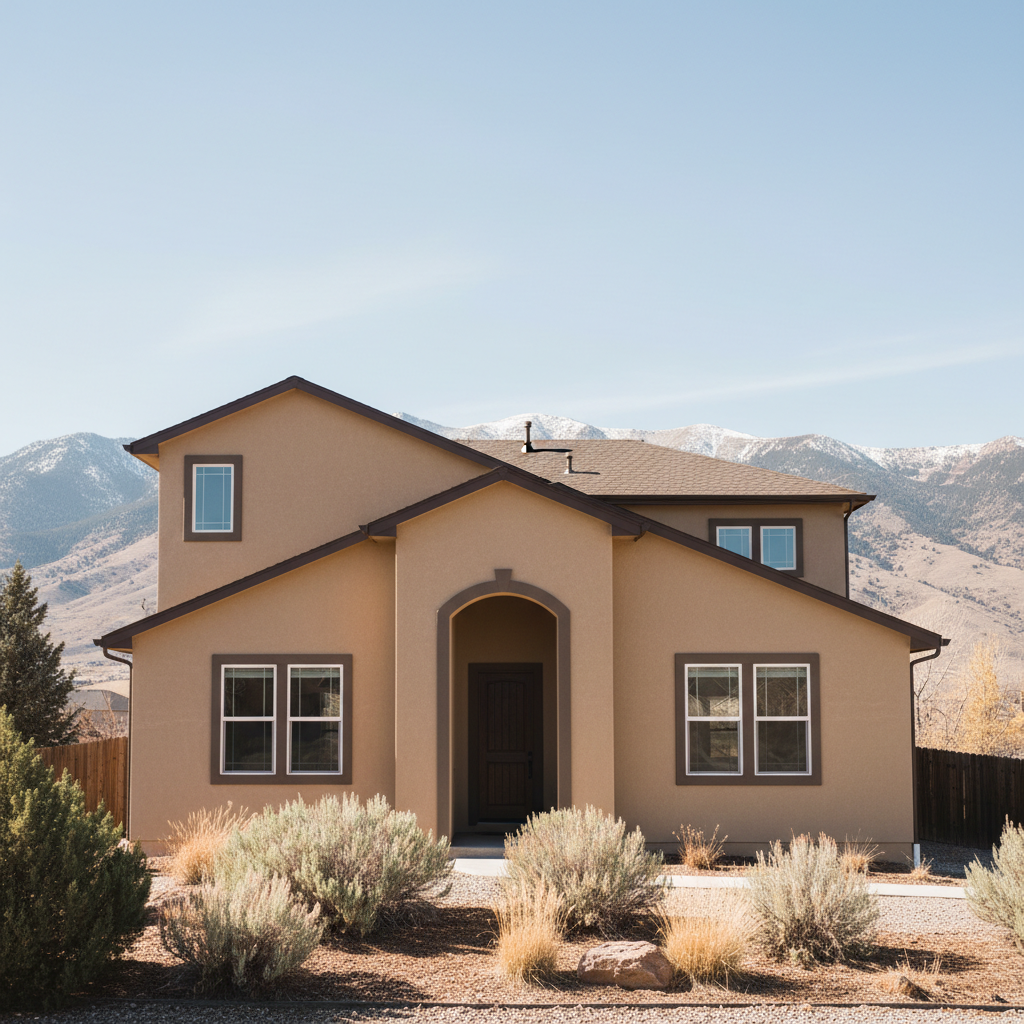
When's the best time to get stucco work done on your commercial building right here in Orem? That's a question I hear a lot, and the answer isn't always as simple as, "Oh, summer." Our local climate, with its hot, dry summers and cold, snowy winters, really tells us when and how we should tackle stucco projects. You've put a lot of money into your property, and understanding these seasonal quirks can save you a ton of headaches and cash down the line.
Summer: Heat, Haste, and Hydration
Everyone figures summer's the perfect time for construction, and for a lot of trades, it is. But for stucco, it's a bit more complicated. Sure, we get plenty of daylight, and the temperatures are high, which definitely helps with drying. Yet those intense Orem summer days, especially when it's hitting 95-100 degrees, can actually be too much of a good thing. Stucco needs to cure properly, meaning it should dry slowly and evenly. If it dries too fast, it can crack, lose strength, or just not bond correctly. Think about baking a cake – you don't just blast it with heat; you want it to cook all the way through.
When we're working in the summer, we're constantly fighting that quick drying. We might have to mist the stucco, or even put up shade cloths, especially on south-facing walls that get absolutely hammered by the sun all day. It just adds a layer of complexity and careful planning. Scheduling-wise, summer is usually when everyone wants work done, so lead times can stretch out. If you're planning a big commercial stucco renovation, booking in late spring for a summer start is smart, but be ready for us to work around the hottest parts of the day, you know?
Fall: The Sweet Spot for Stucco
If you ask me, autumn is often the best time for stucco application and repairs here in Orem. The temperatures are usually just right – warm enough for good drying, but not so hot that it's drying too quickly. We get those clear, crisp days that are perfect for the material to set up correctly. Plus, the humidity tends to be lower and more stable than in spring or summer, which is another big win for stucco curing.
The biggest challenge in fall is dealing with those unpredictable cold snaps. We can go from a beautiful 70-degree day to freezing overnight pretty fast, especially as we get closer to November. Stucco can't freeze while it's curing. If it does, the water in the mix expands, creating tiny cracks and messing up the integrity of the finish. So, we're always watching the forecast like hawks. If a cold front is coming, we might need to adjust our schedule or use special additives to speed up curing, but those have their own considerations.
Winter: A Tricky Time for Stucco
Can you do stucco work in winter in Orem? Technically, yes, but it's usually not ideal for exterior applications. The main issue is temperature. Most stucco products need ambient temperatures to stay above 40 degrees Fahrenheit for at least 24-48 hours after we put them on. With our Orem winters, especially those cold stretches where the temperature barely gets above freezing even during the day, that's a tough ask. And if there's snow or ice? Forget about it. You can't apply stucco to a frozen surface, and it definitely can't freeze before it's properly cured.
Interior stucco work or small, protected repairs might be possible, but for large exterior commercial projects, winter usually means delays or a complete stop. It's just not worth risking the quality of the finish. You'd be paying for a job that might fail prematurely, and that's not how Progressive Stucco Co. operates. We'd rather wait for the right conditions than do a shoddy job, plain and simple.
Spring: Rain, Rain, Go Away
Spring brings warmer temperatures, which is good, but it also brings a lot of moisture. Rain is a major enemy of fresh stucco. It can wash out the mix, weaken the bond, and leave unsightly streaks or damage the finish. We're constantly checking radar and planning around those unpredictable spring showers. One minute it's sunny, the next it's a downpour, especially in areas like the Parkway or around UVU where microclimates can just pop up.
The other spring challenge is the freeze-thaw cycle. Even if it's warm during the day, nights can still dip below freezing in March and even April. This means we're back to watching those overnight lows to make sure any fresh stucco has enough time to cure before the frost hits. Spring can be a good time to get on the schedule before the summer rush, but flexibility is key because of the weather.
Protecting Your Investment Year-Round
So, beyond just scheduling, what can you do to protect your commercial stucco? A few things:
- Regular Inspections: Walk around your building a couple of times a year. Look for cracks, especially around windows, doors, and rooflines. Catching a small crack early can prevent a big water intrusion problem later.
- Drainage is Key: Make sure water is moving away from your building, not pooling against the foundation. Check your gutters and downspouts. If water is constantly splashing onto your stucco, it'll degrade faster.
- Keep it Clean: Dirt, dust, and even algae can build up, especially on north-facing walls that stay damp longer. A gentle wash with a hose and a soft brush (no high-pressure washers!) can do wonders.
- Sealants: Pay attention to the caulking around penetrations like pipes, vents, and light fixtures. These are common entry points for water. Re-caulk as needed.
- Landscaping: Keep shrubs and trees trimmed back from the stucco. They can hold moisture against the wall and prevent proper drying, leading to issues.
Ultimately, understanding Orem's seasons and how they impact your stucco is crucial for any commercial property owner. Don't push for work when the conditions aren't right; it'll only cost you more in the long run. If you've got questions about your commercial stucco or need some work done, give us a call. We're always happy to share our local expertise.